

Every poker player knows the feeling. You peel back the corners of your hole cards, hoping for Aces or Kings, only to see a 7 and a 2 staring back at you. Different suits. No connection. It’s the kind of hand that makes you feel like your chips are evaporating before the flop has even been dealt.
But why exactly is this specific combination the villain of the deck? And is there ever a time when you should embrace the chaos and play it?
In Texas Hold’em, understanding which is worst hand in poker ends is just as important as knowing how to play the nuts. Avoiding these chip-draining traps is one of the fastest ways to plug leaks in your game. This guide breaks down exactly why 7-2 offsuit is the undisputed king of bad hands, the math behind its failure, and the rare moments when you might just want to play it anyway.
Defining the “Worst” Starting Hand
In Texas Hold’em, a “bad” hand isn’t just one that looks ugly. It’s defined by a lack of potential. The worst starting hands suffer from three main problems:
- Low Card Value: They can’t win showdowns against high cards.
- Poor Connectivity: There are huge gaps between the ranks, making straights nearly impossible.
- Offsuit: They lack the ability to easily form flushes.
These hands rarely improve after the flop. When they do, they often land you in “second-best” territory—a dangerous spot where you think you’re good, but you’re actually drawing dead against a stronger kicker or a higher pair. Getpaidto.com spotting for you these combinations early, allows you to fold with confidence and save your stack for a better spot.

Featured Casino
N1Casino
Sign up bonus
4,000 €/$ + 200 FS
* Terms and conditions apply to all offers. Click on “Claim now” to get further details about the respective bonus.
Why 7-2 Offsuit Holds the Crown
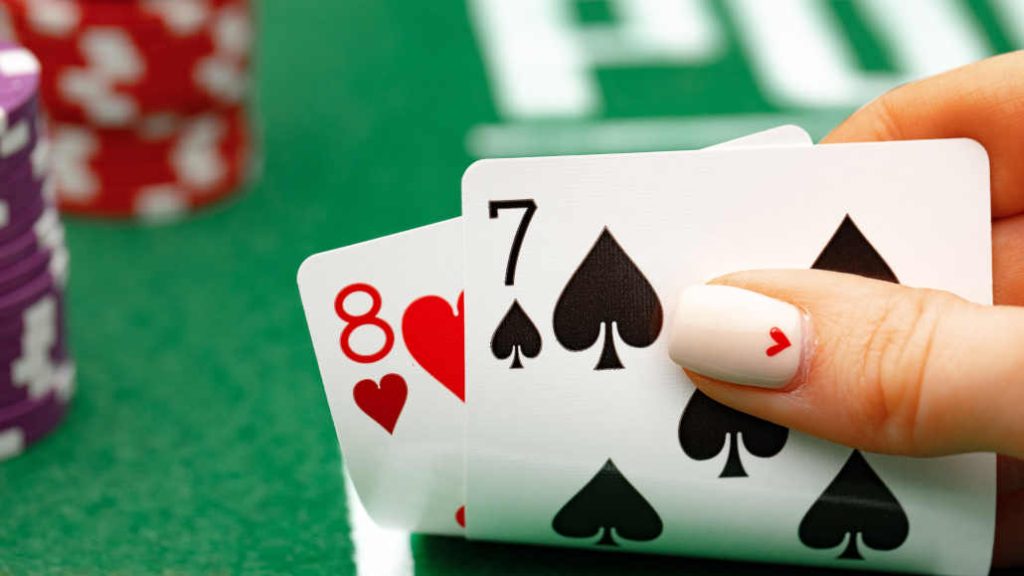
Ask any pro what the absolute worst hand in poker is, and the answer is almost unanimously the 7-2 offsuit. It’s the “soggy sandwich” of poker hands—unappealing, messy, and likely to leave a bad taste in your mouth.
So, why is this specific combo worse than, say, 3-2 offsuit?
It comes down to straight potential. A 3 and a 2 can technically make a straight (A-2-3-4-5 or 2-3-4-5-6). However, there is no possible straight that uses both a 7 and a 2. There are simply too many gaps between them.
Because they are low cards, if you pair the 7, you lose to anyone with an 8 or higher. If you pair the 2, you have the lowest pair on the board. And since they are unsuited, you have no backup plan for a flush. It is a hand with virtually zero redeemable qualities.
The Math Behind the Misery
If you think your gut feeling about 7-2 is wrong, the statistics are there to back you up.
- Preflop Win Rate: Against a random hand, 7-2 offsuit wins only about 12% of the time.
- Showdown Success: It is consistently dominated by almost every other playable hand range.
- Equity: Out of all 169 distinct starting hand combinations in Hold’em, this one sits at the very bottom in terms of raw equity vs. premium hands.
Mathematically, playing this hand is a losing proposition over the long haul. Experienced players rarely touch it because the return on investment is non-existent.
Common Mistakes Players Make with 7-2
Despite the stats, players still get themselves into trouble with this hand. The most common errors include:
- Stubborn Calling: Some players hate folding their big blind and will call a raise with 7-2, putting themselves in a difficult spot out of position.
- Chasing Miracles: Hoping for a “full house” flop is a strategy based on hope, not math.
- Over-Bluffing: Because 7-2 has no “blockers” (cards that make it less likely your opponent has a strong hand), your opponents often have exactly what they represent. Bluffs with 7-2 get called down frequently.
Playing 7-2 is like trying to juggle flaming swords while blindfolded. Sure, it’s technically possible to pull it off, but the risk of getting burned far outweighs the reward.

Best Casino
RollXO Casino
Sign up bonus
15,000 €/$ + 350 FS
* Terms and conditions apply to all offers. Click on “Claim now” to get further details about the respective bonus.
The “Silent Killers”: Other Hands to Watch Out For
While 7-2 gets all the bad press, there are other hands that are arguably more dangerous because they look playable but often destroy your win rate.
The Low Unsuited Trap
The Low Unsuited Trap
Hands like 8-3, 9-4, or 6-2 offsuit fall into the same category as 7-2. They have massive gaps, no flush potential, and low value. They are “trap” hands because inexperienced players might limp in with them, only to bleed chips when they hit a weak pair and can’t get away from the pot.
The “Trouble Hands”
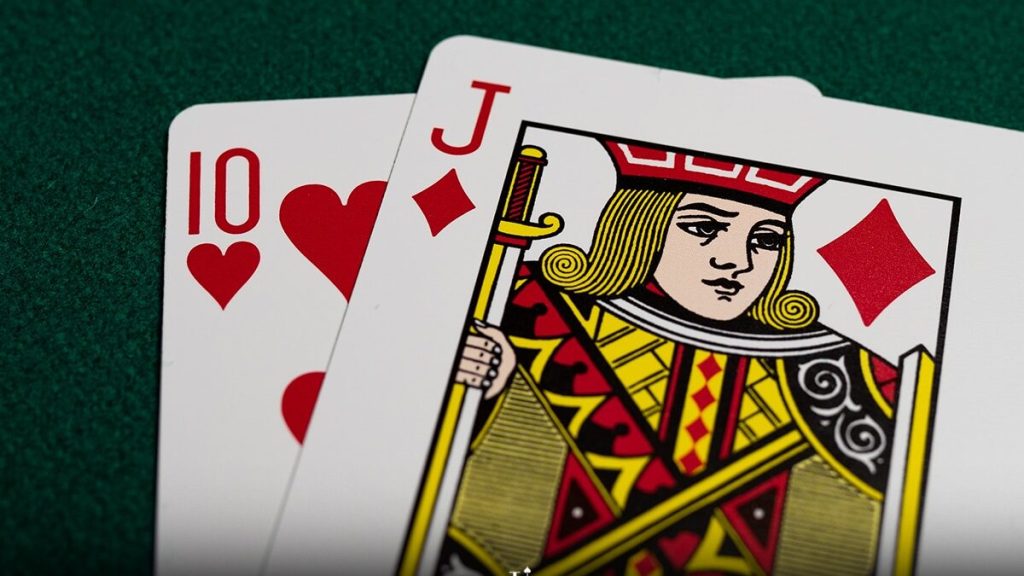
This is where even intermediate players lose money. These are hands that look pretty but play terribly.
- King-Ten Offsuit
- Queen-Jack Offsuit
- Ace-Nine Offsuit
These hands often suffer from “domination.” For example, if you have King-Ten and the flop comes King-high, you might feel strong. But if your opponent has King-Queen or King-Ace, you are going to lose a massive pot. Face cards look tempting, but without a strong “kicker” or suited connectivity, they are often just expensive mistakes waiting to happen.ose a massive pot. Face cards look tempting, but without a strong “kicker” or suited connectivity, they are often just expensive mistakes waiting to happen.
Is There Ever a Right Time to Play the Worst Hand?
Here is the twist: Yes, you can play 7-2 offsuit. But you have to know exactly what you are doing.
In poker, context is everything. While standard strategy says to fold these “trash” hands 99% of the time, there are specific scenarios where turning lemons into lemonade is a viable advanced move.
1. The “7-2 Game”
In many home games and high-stakes cash games, there is a side bet called “The 7-2 Game.” If a player wins a hand with 7-2, every other player at the table owes them a bounty. This creates a fascinating dynamic where players bluff aggressively with the worst hand to win the side money.
2. Balancing Your Range
If you only ever play Aces and Kings, you become predictable. Observant opponents will simply fold every time you bet. Occasionally throwing in a bluff with a garbage hand like 7-2 keeps your opponents guessing. It messes with their ability to put you on a hand.
3. Exploiting Tight Players
If you are playing against a table of extremely cautious players who only continue with premium cards, you can raise with any two cards—including 7-2—to steal the blinds. You aren’t playing the cards; you’re playing the players.
Final Thoughts: The Art of the Fold
For the vast majority of players, the most profitable strategy for 7-2 offsuit is simple: Fold it.
Consistently mucking these low-value hands is the easiest way to protect your bankroll and increase your expected value (EV). Discipline is the hallmark of a winning player. Pros fold far more often than they play because they understand that protecting their chips is just as important as winning new ones.
Mastering the art of the fold puts you in control. It saves you from desperate situations and allows you to focus your energy on hands that actually have a mathematical edge. Respect the math, recognize the danger of the 7-2, and save your aggression for when you have the ammunition to back it up.
